ERP System Examples

Introduction:


Enterprise Resource Planning (ERP) systems are becoming more and more popular among businesses as a means of streamlining operations, boosting efficiency, and achieving long-term expansion in today’s quickly changing corporate environment. ERP System Examples provide smooth communication and data flow across departments by integrating numerous corporate operations, including finance, human resources, supply chain, and customer management, onto a single platform. We will examine several well-known ERP system examples that have transformed firms in a variety of sectors in this blog article.

Enterprise resource planning (ERP) systems help organizations automate and streamline business processes for optimal performance. They coordinate data flow between a company’s different business processes to create a single source of truth.  Just as a master chef creates a cohesive dining experience by expertly coordinating ingredients, cooking processes, and kitchen staff, an ERP system harmonizes various business functions—operations, supply chains, commerce, financial reporting, and manufacturing—into a seamless workflow. These systems centralize data management, improve decision-making, and optimize resource allocation to save time and reduce costs.  Fortunately, there are many incredible ERP systems on the market today, each with its unique features.  Which is best for business?  

What is an ERP System?


An enterprise resource planning (ERP) system is a complete software solution that unifies and handles a number of key business activities, including finance, human resources, supply chain management, customer relationship management, and more. It offers a single database and a collection of tools that make information transfer between departments simple while maintaining data accuracy and real-time visibility.

Benefits of ERP Systems:


Enhanced Efficiency:

ERP systems automate and streamline manual processes, reducing the time and effort required for tasks such as data entry, reporting, and inventory management. This enables employees to focus on more value-added activities, leading to increased productivity.

Improved Decision Making:

ERP systems offer insightful analytics and real-time access to correct data, enabling management to take prompt, well-informed choices. This enables companies to see growth possibilities and react quickly to market developments.

Enhanced Collaboration and Communication:

By promoting cooperation and easing communication across various departments, ERP systems eliminate silos. The smooth flow of information enables teams to collaborate more successfully, improving coordination and customer satisfaction.

Scalability and Flexibility:

ERP systems are made to help businesses develop and change with the times. They provide modular functions that may be tailored to meet particular business needs, enabling enterprises to scale up or down as necessary without affecting business processes.

Cost Savings:

Although an ERP system may have a large initial cost, there may be significant long-term cost savings. By automating processes, reducing errors, and improving resource allocation, businesses may minimize labor expenses, inventory management costs, and other operational expenditures.

Real-life Examples of ERP Systems:


  • SAP
  • Nextzen Limited
  • Oracle ERP Cloud
  • Microsoft Dynamics 365
  • NetSuite


Conclusion:


ERP systems are now essential tools for companies looking to develop, streamline operations, and improve productivity. The advantages of ERP systems are clear in all industries, from big businesses to small and mid-sized businesses.

How to develop an ERP system?

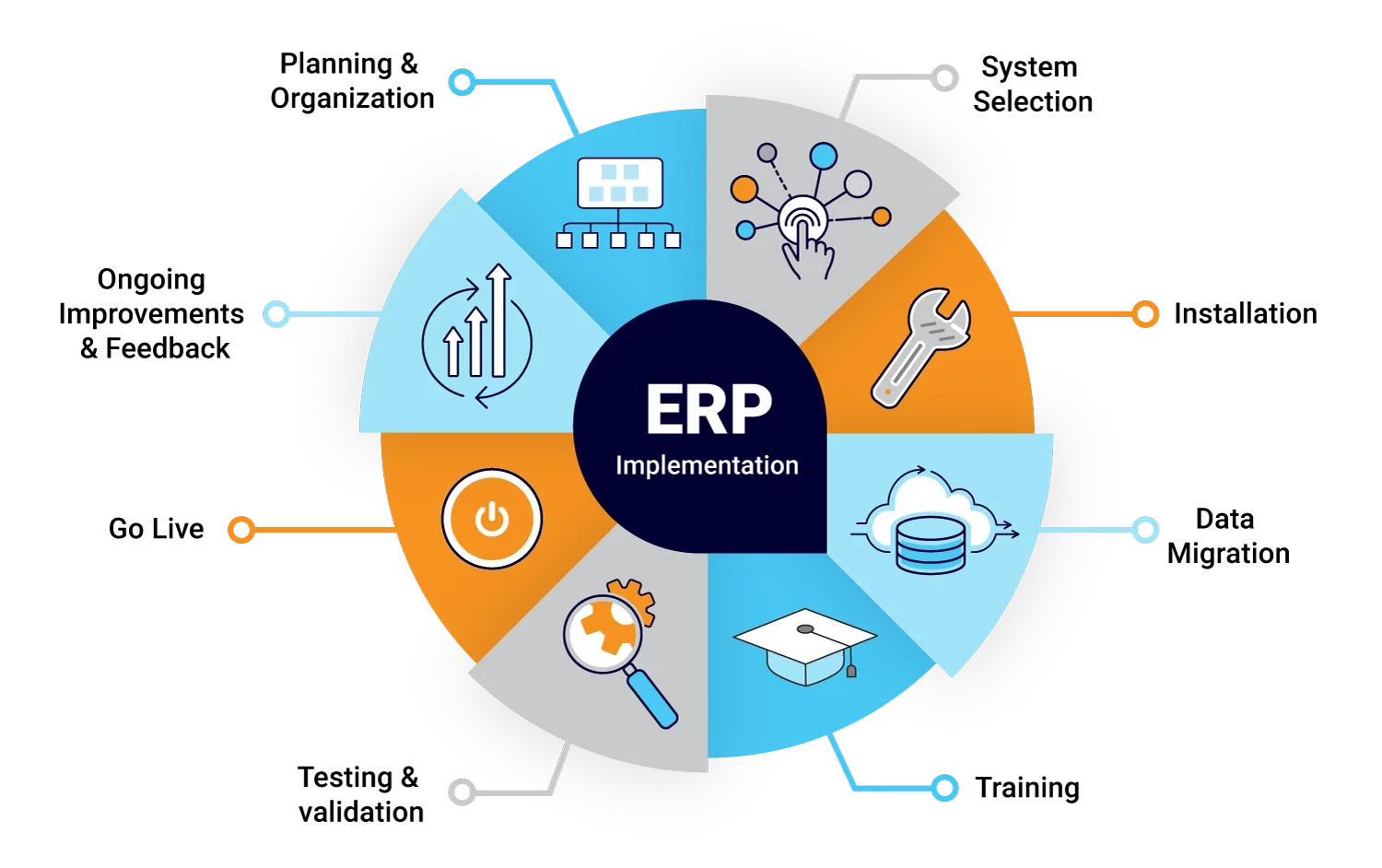
Developing an Enterprise Resource Planning (ERP) system is a complex and multifaceted endeavor that requires careful planning, design, development, and implementation. Here is a high-level overview of the steps involved in developing an ERP system:

1. Needs Assessment and Planning:

  • Identify Requirements: Recognise the unique requirements, objectives, and difficulties faced by the company.
  • Define Scope: Determine the modules and functionalities required, such as finance, human resources, inventory management, production planning, etc.
  • Set Objectives: Establish clear objectives and KPIs (Key Performance Indicators) for the ERP system.

2. Design and Architecture:

  • System Design: Create a comprehensive design for the ERP system, including database schema, user interface, workflows, and integration points.
  • Select Technology Stack: Choose appropriate technologies, frameworks, and tools based on the requirements and organizational preferences.
  • Architecture Planning: Design the system architecture, considering scalability, security, performance, and other architectural concerns.

3. Development:

  • Front-end Development: Develop user interfaces for various modules and functionalities, ensuring a seamless user experience.
  • Back-end Development: Implement the business logic, data processing, integration with other systems, and other back-end functionalities.
  • Database Development: Design and implement the database structure, data models, relationships, and optimization strategies.

4. Integration:

  • Integrate Modules: Ensure seamless integration between different modules and functionalities of the ERP system.
  • Third-party Integrations: Integrate with external systems, applications, and services, such as CRM, e-commerce platforms, payment gateways, etc.

5. Testing:

  • Quality Assurance: Conduct rigorous testing to identify and fix bugs, ensure functionality, performance, and security.
  • User Acceptance Testing (UAT): Engage end-users to validate the system against the defined requirements and use cases.

6. Deployment and Implementation:

  • Deployment Strategy: Plan and execute the deployment strategy, considering factors like data migration, system configuration, training, and support.
  • Go-live: Roll out the ERP system to the organization, ensuring a smooth transition and minimal disruption to operations.

7. Training and Support:

  • User Training: Provide comprehensive training to users, administrators, and stakeholders to ensure effective utilization of the ERP system.
  • Ongoing Support: Establish a support mechanism to address issues, provide assistance, and ensure the smooth operation of the ERP system.

8. Monitoring and Maintenance:

  • Performance Monitoring: Continuously monitor the performance, usage, and health of the ERP system, addressing any issues proactively.
  • Updates and Upgrades: Regularly update and upgrade the ERP system to incorporate new features, enhancements, and security patches.

Conclusion:

Developing an ERP system is a significant undertaking that requires careful planning, collaboration, and expertise across various domains. By following a systematic approach and leveraging best practices, organizations can develop a robust, scalable, and efficient ERP system tailored to their specific needs and objectives.

How does a ERP Software work?

Software for enterprise resource planning, or ERP, is a complete solution that unifies several corporate operations and activities into a single system. This is the general workflow of ERP software:

1. Centralized Database:

  • ERP software is based on a centralised database that houses all of the information pertaining to various corporate operations and procedures.
  • This centralized database ensures data consistency, accuracy, and accessibility across the organization.

2. Integrated Modules:

  • ERP systems consist of various integrated modules or components, each catering to specific business functions such as finance, human resources, supply chain management, manufacturing, sales, and customer relationship management (CRM).
  • These modules share data and functionalities, enabling seamless communication and collaboration between different departments and functions.

3. Automated Workflows:

  • ERP software automates and streamlines business workflows and processes, eliminating manual tasks, reducing errors, and improving efficiency.
  • For example, when a sales order is created, the ERP system can automatically update inventory levels, generate purchase orders for required materials, schedule production, and initiate the billing process.

4. Real-time Data Access and Reporting:

  • ERP systems provide real-time access to data, enabling stakeholders to make informed decisions based on up-to-date information.
  • Advanced reporting and analytics tools within ERP software allow users to generate various reports, dashboards, and insights, helping to monitor performance, identify trends, and drive strategic initiatives.

5. Customization and Scalability:

  • ERP software can be customized and tailored to meet the specific needs and requirements of an organization.
  • As businesses grow and evolve, ERP systems can scale and adapt to accommodate increased complexities, volumes, and functionalities.

6. Security and Compliance:

  • ERP software incorporates robust security features and protocols to safeguard sensitive data, protect against unauthorized access, and prevent data breaches.
  • Additionally, ERP systems help organizations maintain compliance with industry regulations, standards, and best practices, ensuring adherence to legal and contractual obligations.

7. User Interface and Accessibility:

  • ERP systems typically feature user-friendly interfaces that facilitate easy navigation, data entry, and system interaction.
  • Modern ERP solutions often offer web-based and mobile access, enabling users to access the system anytime, anywhere, and from any device, fostering collaboration and productivity.

Conclusion:

In essence, enterprise resource planning (ERP) software streamlines and automates many business processes, activities, and data into a single, centralised system, therefore increasing productivity, communication, and decision-making throughout the whole organisation. By leveraging the advantages of ERP systems, businesses may more successfully achieve their strategic goals, maximise resources, and streamline processes.

Manage your ERP System with 3 Steps

Managing an Enterprise Resource Planning (ERP) system effectively is crucial for optimising business operations, ensuring data integrity, and driving organisational success. Here's a simplified approach to managing your ERP system in three essential steps:

1. Continuous monitoring and performance optimisation:

  • Monitor System Health: Regularly monitor the performance, availability, and health of your ERP system to identify potential issues, bottlenecks, or areas of improvement.
  • Performance Tuning: Optimise system configurations, database settings, and resource allocations to enhance system performance and responsiveness.
  • Regular Updates and Maintenance: Stay updated with the latest software patches, updates, and security fixes to address vulnerabilities, ensure system stability, and leverage new features or enhancements.

2. Data Management and Governance:

  • Data Quality Assurance: Implement data quality checks, validation rules, and cleansing processes to maintain accurate, consistent, and reliable data within the ERP system.
  • Data Backup and Recovery: Establish robust backup and disaster recovery strategies to protect critical data, minimise data loss, and ensure business continuity in the event of system failures or unforeseen incidents.
  • Data Security and Compliance: Implement stringent security measures, access controls, and encryption techniques to safeguard sensitive data, protect against unauthorised access, and maintain compliance with regulatory requirements and industry standards.

3. User Training and Support:

  • Ongoing Training Programmes: Provide comprehensive training and educational resources to users, administrators, and stakeholders to ensure effective utilization of the ERP system, promote best practices, and foster continuous learning and skill development.
  • User Support and Assistance: Establish a responsive and knowledgeable support team or helpdesk to address user inquiries, resolve issues, and provide timely assistance, guidance, and solutions related to the ERP system.
  • Feedback and Improvement: Encourage user feedback, suggestions, and insights to gain valuable perspectives on system usability, functionality, and areas for improvement, and incorporate feedback into ongoing system enhancements and optimizations.

Conclusion:

A proactive, all-encompassing strategy that includes data governance, user engagement, performance monitoring, and continual improvement is needed to manage your ERP system effectively. You may optimise the value, dependability, and lifespan of your ERP system, fostering operational excellence and accomplishing your company objectives, by putting these three actions into practice and embracing a strategic management framework.


Share:

Frequently Asked Questions

At Nextzen, we understand that implementing a Business ERP like BizoFin is a big step. Here are clear answers to common inquiries about our ERP modules, financial integration, pricing plans, and how we help scale your business operations.

500+

TALENTS

FAQ Support

1M+

PROJECTS

Consulting services can provide insights, strategies, and solutions to address specific challenges, improve efficiency, enhance decision-making, and ultimately contribute to the overall success of your business.

We offer a range of services, including strategic planning, financial advisory, operations optimization, market research, and more. Our goal is to tailor our services to meet the unique needs of each client.

Certainly! We have a collection of client testimonials and case studies that highlight the success stories of our consulting engagements. Please visit our 'Client Success Stories' section for more details.

Yes, we provide ongoing support to our clients even after the completion of the consulting engagement. This may include follow-up meetings, additional training, and assistance with the implementation of recommended strategies to ensure sustained success.

Our cancellation policy is outlined in the consulting agreement. Generally, we require advance notice for cancellations, and any associated fees or refunds will be discussed and agreed upon during the initial engagement negotiations.

Stop Your Search

Facing any of these challenges?

backend-development

Nextzen provides a wide range of services, Software, Web & App Development, Business Automation, Marketing, Branding & Data services.

feather-client

Nextzen brings over 17 years+ of experience and a client-focused approach to deliver tailored, high-quality software solutions.

marker

Nextzen has offices in the Bangladesh, UAE, UK and Cyprus, enabling them to serve both local and international clients.

verified-account

Nextzen specializes in sectors like textiles, apparel, education, retail, and healthcare, offering tailored solutions for each industry.

helping-hand

Yes, Nextzen offers free initial consultations to understand your requirements and propose the best solutions.

cyber-security

Nextzen implements strong cybersecurity measures to protect client data and ensure platform security.

skyscrapers

Nextzen stands out for its comprehensive services, deep industry knowledge, global reach, and client-focused approach.

gmail-new

You can get global support from Nextzen by contacting [email protected].

NEWS & BLOGS

Read Our Latest Updates

Ever Find Yourself Staring At Your Computer Screen A Good Consulting Slogan To Come To Mind? Oftentimes.

Best Technologies for Ecommerce Web Development in 2026
Ecommerce Website Development

Best Technologies for Ecommerce Web Development in 2026

Building a successful ecommerce website requires choosing the right technology stack. The right tools make your store faster, more secure, easier to scale, and more enjoyable for your customers. In this blog, we’ll explore the best technologies for ecommerce web development and why they matter.

Best school managment software
Business Strategy
  • Jan 14, 2026
  • by

Best school managment software

Choose the best school management software to automate administration, improve communication, and boost efficiency. Transform your school with smart technology with Nextzen Limited.

Top 10 Best Software Companies in Bangladesh 2026
ERP software

Top 10 Best Software Companies in Bangladesh 2026

Top software company in Bangladesh 2026, Best IT company Bangladesh, Nextzen Limited software, Bangladesh software firms list, Custom software development Bangladesh

GET TO KNOW US

15+ Years of Experience in Technology Consulting

With nearly two decades of proven expertise, we deliver reliable, innovative, and scalable technology solutions tailored to business needs.

We believe that trust is paramount in a relationship. We do not own or sell your data, and we most certainly do not bank on advertising-based business models. The only way we make money is from the software license fees you pay us.

Your experience on this site will be improved by allowing cookies Cookie Policy