Best Online Travel Agency Development Company
Looking for the best Online Travel Agency development company? Discover how to choose the right OTA partner for flight, hotel, API, payment, and booking solutions.
 Back to Home
123/A, Miranda City Likaoli
Prikano, Dope
+0989 7876 9865 9
+(090) 8765 86543 85
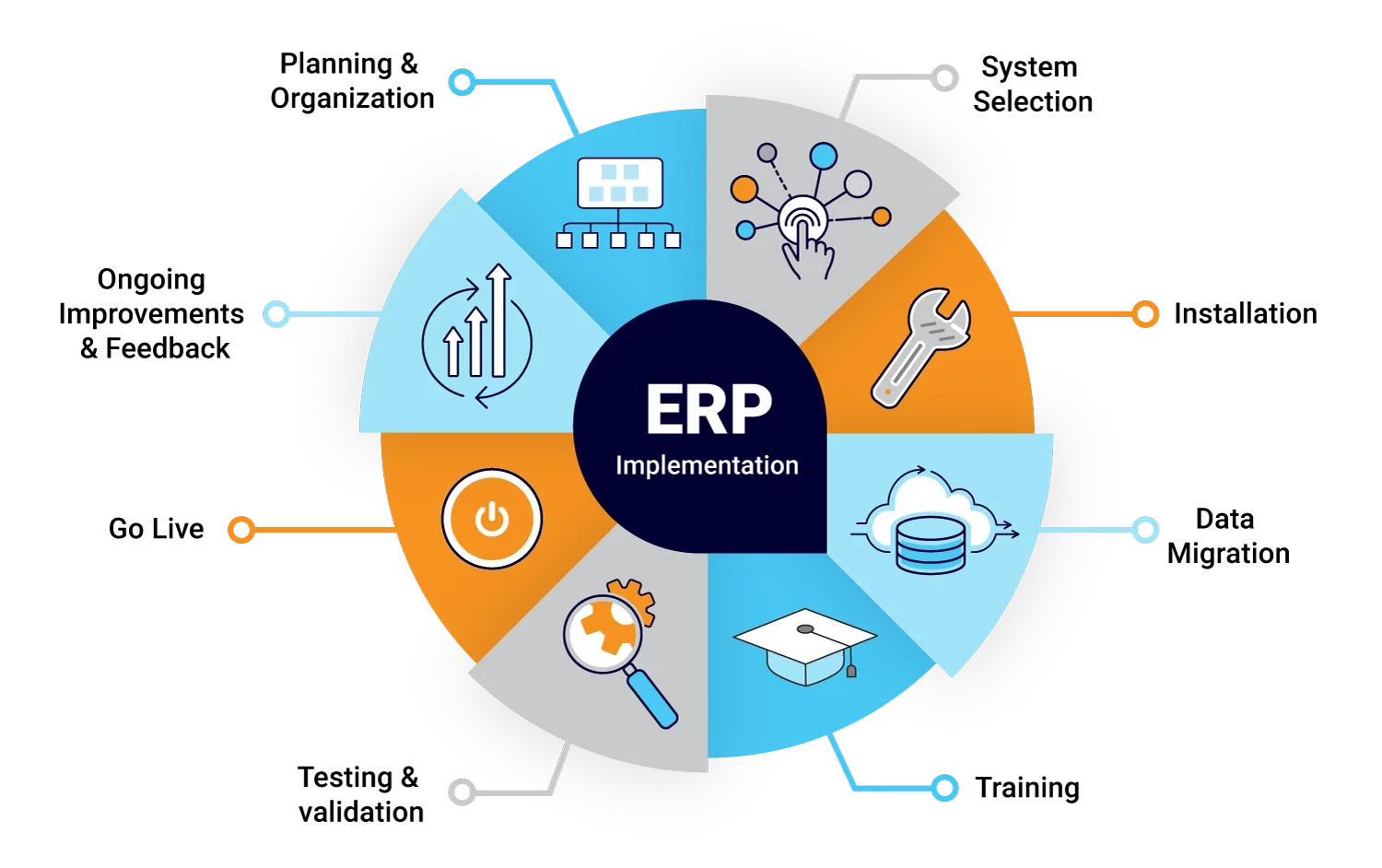





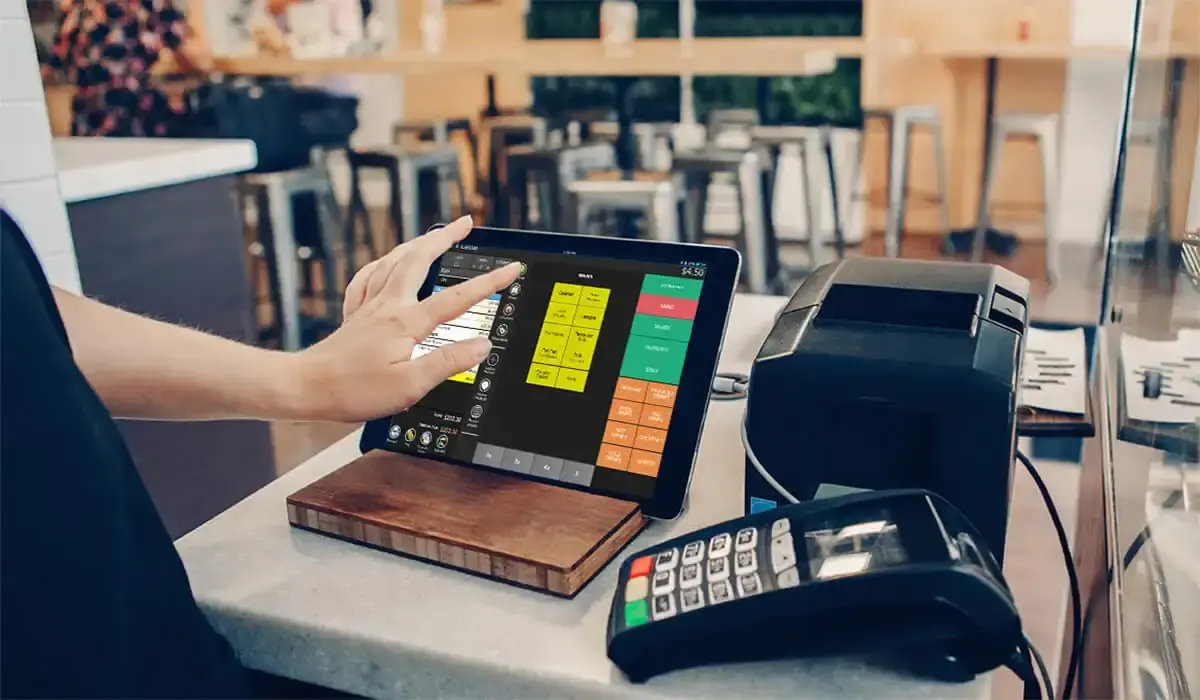
To effectively help with POS software, understand the user's needs, troubleshoot common issues, provide clear instructions, and ensure the system is optimized for their business needs.
1. Understanding User Needs and Requirements:
Evaluate Business Needs:
Identify the specific requirements of the business, such as sales tracking, inventory management, employee scheduling, and analytics.
Assess Compatibility:
Ensure the POS software is compatible with the existing hardware (cash registers, card readers, printers, etc.).
Research and Compare:
Explore different POS systems and compare their features, pricing, and support options.
Schedule Demos and Training:
Before committing, ensure you understand how the system works and that your team is comfortable using it.
2. Troubleshooting Common Issues:
Reboot the System: A simple restart can resolve many software glitches.
Check Network Connections: Ensure a stable and reliable internet connection, especially for cloud-based systems.
Update Software: Regularly update the POS software to benefit from the latest features and bug fixes.
Run Built-in Diagnostics: Utilize the POS system's diagnostic tools to identify and resolve technical issues.
Check Peripheral Devices: Ensure all hardware components (printers, scanners, etc.) are functioning correctly.
Consult the User Manual: Refer to the user manual for troubleshooting steps and instructions.
Contact Technical Support: If the issue persists, reach out to the POS provider's technical support for assistance.
3. Providing Clear Instructions and Training:
Onboarding:
Allocate time for a smooth transition and provide adequate training for staff on using the new system.
User-Friendly Interface:
Ensure the POS software has a user-friendly interface that is easy to navigate.
Clear Documentation:
Provide clear and concise documentation, including tutorials and FAQs, to assist users.
Customizable Settings:
Allow users to customize the POS software to fit their specific needs and workflows.
Helping with POS (Point of Sale) software involves providing solutions or support tailored to its specific use cases, whether you're assisting as a business owner, an IT specialist, or a consultant. Here's a breakdown:
1. Identifying Needs
Understand Requirements: Determine what the business needs from the POS software (e.g., sales tracking, inventory management, employee scheduling, analytics).
Assess Compatibility: Check if the current hardware (cash registers, card readers, printers, etc.) is compatible with the POS software.
Industry Specificity: Ensure the software caters to the business type (e.g., retail, hospitality, or restaurants).
2. Setting Up POS Software
Installation:
Install the POS software on the appropriate hardware (desktop, tablet, or cloud-based systems).
Configure peripherals like barcode scanners, printers, and card readers.
Customization:
Set up product or service catalogs, pricing, discounts, and tax settings.
Define user roles and permissions for staff.
Integrations:
Integrate with other tools (e.g., accounting software, inventory systems, CRM).
3. Training and Onboarding
Staff Training:
Teach employees how to use the system effectively, from basic operations to advanced features.
Support Materials:
Provide documentation, video tutorials, or cheat sheets.
4. Troubleshooting and Support
Common Issues:
Address problems like software crashes, slow performance, or hardware malfunctions.
Verify internet connectivity for cloud-based systems.
Customer Support:
Contact the software provider for unresolved issues or use online forums.
Regular Updates:
Keep the software updated to fix bugs and improve security.
5. Maintenance and Optimization
Data Management:
Regularly back up sales data to avoid loss.
Analytics:
Use built-in analytics tools to monitor sales trends, inventory levels, and employee performance.
Scalability:
As the business grows, ensure the POS software can handle increased demands.
6. Recommending or Choosing Software
If the task involves suggesting a POS system, consider:
Cloud-Based vs. On-Premises: Choose based on the business's need for flexibility.
Key Features:
Inventory management
Multi-store functionality
Loyalty programs
Reporting tools
Budget: Match the business's budget with affordable options.
Let me know if you need specific recommendations or further assistance!
Have you started researching POS systems but are completely overwhelmed by all of the information available? You’ve come to the right place! Our experts have collated all of the vital facts about Point of Sale technology – such as the different types of POS systems on the market, key product features, benefits a POS brings to retailers, how a POS integrates into your existing IT architecture and even first-hand accounts from businesses who’ve successfully implemented a new Point of Sale solution
Short on time? Use the handy navigation to skip through the sections.
How to Assist with POS Software
For businesses to effectively handle sales, inventory, and client transactions, point of sale (POS) software is crucial. Assisting someone with POS software entails assisting them with setup, installation, day-to-day tasks, and troubleshooting. Here's a useful strategy:
1. Recognise the needs of the business
Determine the type of business (retail, restaurant, wholesale) and its needs before providing assistance:
Monitoring inventory
Reports on sales
Management of employees
Processing of payments
This guarantees that the POS software is customised for the company.
2. Help with Installation and Setup
Lead users through:
Installing software on PCs, tablets, or point-of-sale devices
Setting up user accounts and designating responsibilities
Setting up discounts, tax rates, and payment options
Including printers, barcode scanners, and other devices
3. Staff Training
To properly use the POS, staff members require practical training:
How to generate sales transactions
Handling refunds and returns
Keeping track of inventory updates
Creating reports on a daily or monthly basis
Users feel more confidence after brief, hands-on training sessions.
4. Resolving Typical Problems
Assist users in fixing typical POS issues such as:
Slow performance or freezing software
Problems with printer or scanner connectivity
Inaccurate transaction records
Errors with the payment gateway
It is essential to have a help desk or support contact available.
5. Consistent Upkeep and Updates
A point-of-sale system functions best when it is updated:
Update your program to the most recent version.
Regularly back up your inventory and sales data.
Check for wear and tear on the hardware.
Adapt settings to changing business requirements
Conclusion
Assisting someone with POS software involves more than simply technical setup; it also entails comprehending the company, offering hands-on training, and guaranteeing efficient day-to-day operations. A POS system can greatly improve overall efficiency by streamlining sales, inventory management, and reporting with the right advice.
At Nextzen, we understand that implementing a Business ERP like BizoFin is a big step. Here are clear answers to common inquiries about our ERP modules, financial integration, pricing plans, and how we help scale your business operations.
TALENTS

PROJECTS

Nextzen provides a wide range of services, Software, Web & App Development, Business Automation, Marketing, Branding & Data services.

Nextzen brings over 17 years+ of experience and a client-focused approach to deliver tailored, high-quality software solutions.

Nextzen has offices in the Bangladesh, UAE, UK and Cyprus, enabling them to serve both local and international clients.

Nextzen specializes in sectors like textiles, apparel, education, retail, and healthcare, offering tailored solutions for each industry.

Yes, Nextzen offers free initial consultations to understand your requirements and propose the best solutions.

Nextzen implements strong cybersecurity measures to protect client data and ensure platform security.

Nextzen stands out for its comprehensive services, deep industry knowledge, global reach, and client-focused approach.

You can get global support from Nextzen by contacting [email protected].
Ever Find Yourself Staring At Your Computer Screen A Good Consulting Slogan To Come To Mind? Oftentimes.

Looking for the best Online Travel Agency development company? Discover how to choose the right OTA partner for flight, hotel, API, payment, and booking solutions.
The education sector is rapidly adopting digital technologies to improve academic management, communication, and online learning. As part of this digital transformation, EduFin EMS has integrated Zoom functionality into its Education Management System, helping educational institutions manage online classes and meetings more efficiently.
A fast, user-friendly, and SEO-optimized e-commerce website can significantly improve customer experience, search engine rankings, and conversion rates. Whether you're running a small online store or a large e-commerce platform, optimization is essential for long-term success.
With nearly two decades of proven expertise, we deliver reliable, innovative, and scalable technology solutions tailored to business needs.
We believe that trust is paramount in a relationship. We do not own or sell your data, and we most certainly do not bank on advertising-based business models. The only way we make money is from the software license fees you pay us.