Best Online Travel Agency Development Company
Looking for the best Online Travel Agency development company? Discover how to choose the right OTA partner for flight, hotel, API, payment, and booking solutions.
 Back to Home
123/A, Miranda City Likaoli
Prikano, Dope
+0989 7876 9865 9
+(090) 8765 86543 85





Introduction:
In the ever-evolving landscape of technology, the process of software development stands as a pivotal journey, where ideas are transformed into tangible, functional solutions. Whether you're a seasoned developer, a project manager, or someone just stepping into the realm of coding, understanding the intricacies of the software development process is essential. In this blog, we embark on an expedition through the stages and nuances that define the art and science of software development.
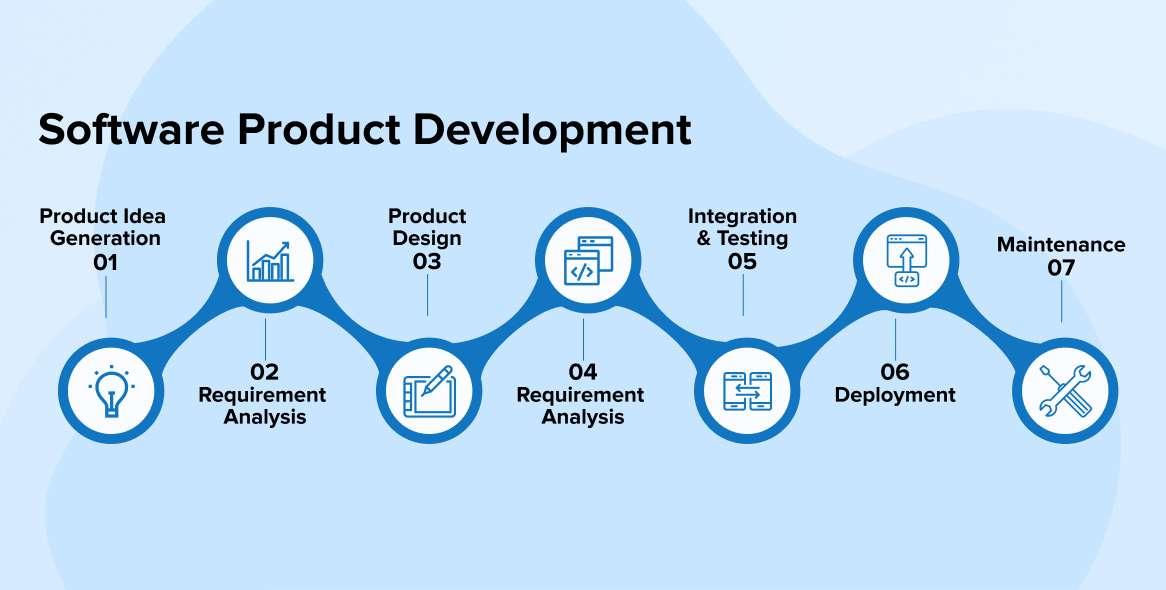
**1. Ideation: The Conception of Innovation**
The journey begins with ideation – the birthplace of innovation. It involves brainstorming sessions, market research, and identifying problems that software can solve. Here, creativity and a deep understanding of user needs lay the foundation for what's to come.
**2. Planning: Charting the Course**
Once the idea is solidified, the planning phase commences. Project managers collaborate with developers to define scope, set goals, allocate resources, and establish timelines. Creating a roadmap ensures a clear vision for the project's trajectory.
**3. Design: Blueprinting Brilliance**
Design is where concepts transform into a visual and structural framework. User experience (UX) and user interface (UI) designers work closely to craft an intuitive, aesthetically pleasing design that aligns with the project's goals.
**4. Implementation: The Code Forge**
The heart of software development lies in the implementation phase. Developers bring designs to life through coding, adhering to best practices, coding standards, and utilizing appropriate programming languages. Collaboration and version control are crucial to maintain code integrity.
**5. Testing: Ensuring Resilience**
No software journey is complete without thorough testing. Quality assurance (QA) engineers rigorously examine the software for bugs, performance issues, and usability concerns. This phase ensures that the software meets the predefined standards and user expectations.
**6. Deployment: Releasing to the World**
Deployment marks the transition from development to real-world application. The software is released to end-users, and developers closely monitor its performance, addressing any unforeseen issues that may arise during this critical phase.
**7. Maintenance: Nurturing the Solution**
Software, like any creation, requires ongoing care. Maintenance involves addressing bugs, releasing updates, and ensuring the software remains compatible with evolving technologies. Regular maintenance is key to sustaining the software's relevance and effectiveness.
**8. Documentation: The Chronicles of Code**
Throughout the development process, comprehensive documentation is essential. It serves as a reference point for developers, aids in troubleshooting, and facilitates seamless collaboration among team members.
**Conclusion: The Ever-Persistent Journey**
The software development process is a dynamic and iterative journey, guided by collaboration, creativity, and precision. Embracing this journey with a holistic understanding of each phase is crucial for delivering software that not only meets but exceeds user expectations. Whether you're a developer, a project manager, or a curious observer, the software development process is a testament to the transformative power of technology in shaping the world we live in. As we navigate this odyssey, let the code be our compass, and innovation our destination.
A Complete Guide to the Software Development Process
A structured method for effectively designing, developing, testing, and deploying software is the software development process, often known as the Software Development Life Cycle. It lowers risks, guarantees excellent quality, and assists teams in completing projects on schedule.
Important Stages in the Software Development Process
1. Planning and Requirement Analysis
Every project starts with this:
2. System Architecture
The system structure is created by developers and architects:
3. Development (Coding)
Design documents serve as the foundation for actual code:
4. Testing
makes ensuring the program is error-free and functions properly.
5. Deployment
The program is made available to users.
6. 🔧 upkeep and assistance
continuous enhancements and updates.
⚙️ Well-liked Development Models
The Significance of It
📌 Short Summary
The software development process (SDLC) is a methodical approach that ensures efficiency, quality, and successful project delivery by producing dependable software from planning and design to deployment and maintenance.
At Nextzen, we understand that implementing a Business ERP like BizoFin is a big step. Here are clear answers to common inquiries about our ERP modules, financial integration, pricing plans, and how we help scale your business operations.
TALENTS
PROJECTS

Nextzen provides a wide range of services, Software, Web & App Development, Business Automation, Marketing, Branding & Data services.

Nextzen brings over 17 years+ of experience and a client-focused approach to deliver tailored, high-quality software solutions.

Nextzen has offices in the Bangladesh, UAE, UK and Cyprus, enabling them to serve both local and international clients.

Nextzen specializes in sectors like textiles, apparel, education, retail, and healthcare, offering tailored solutions for each industry.

Yes, Nextzen offers free initial consultations to understand your requirements and propose the best solutions.

Nextzen implements strong cybersecurity measures to protect client data and ensure platform security.

Nextzen stands out for its comprehensive services, deep industry knowledge, global reach, and client-focused approach.

You can get global support from Nextzen by contacting [email protected].
Ever Find Yourself Staring At Your Computer Screen A Good Consulting Slogan To Come To Mind? Oftentimes.

Looking for the best Online Travel Agency development company? Discover how to choose the right OTA partner for flight, hotel, API, payment, and booking solutions.
The education sector is rapidly adopting digital technologies to improve academic management, communication, and online learning. As part of this digital transformation, EduFin EMS has integrated Zoom functionality into its Education Management System, helping educational institutions manage online classes and meetings more efficiently.

A fast, user-friendly, and SEO-optimized e-commerce website can significantly improve customer experience, search engine rankings, and conversion rates. Whether you're running a small online store or a large e-commerce platform, optimization is essential for long-term success.
With nearly two decades of proven expertise, we deliver reliable, innovative, and scalable technology solutions tailored to business needs.
We believe that trust is paramount in a relationship. We do not own or sell your data, and we most certainly do not bank on advertising-based business models. The only way we make money is from the software license fees you pay us.