Best Online Travel Agency Development Company
Looking for the best Online Travel Agency development company? Discover how to choose the right OTA partner for flight, hotel, API, payment, and booking solutions.
 Back to Home
123/A, Miranda City Likaoli
Prikano, Dope
+0989 7876 9865 9
+(090) 8765 86543 85






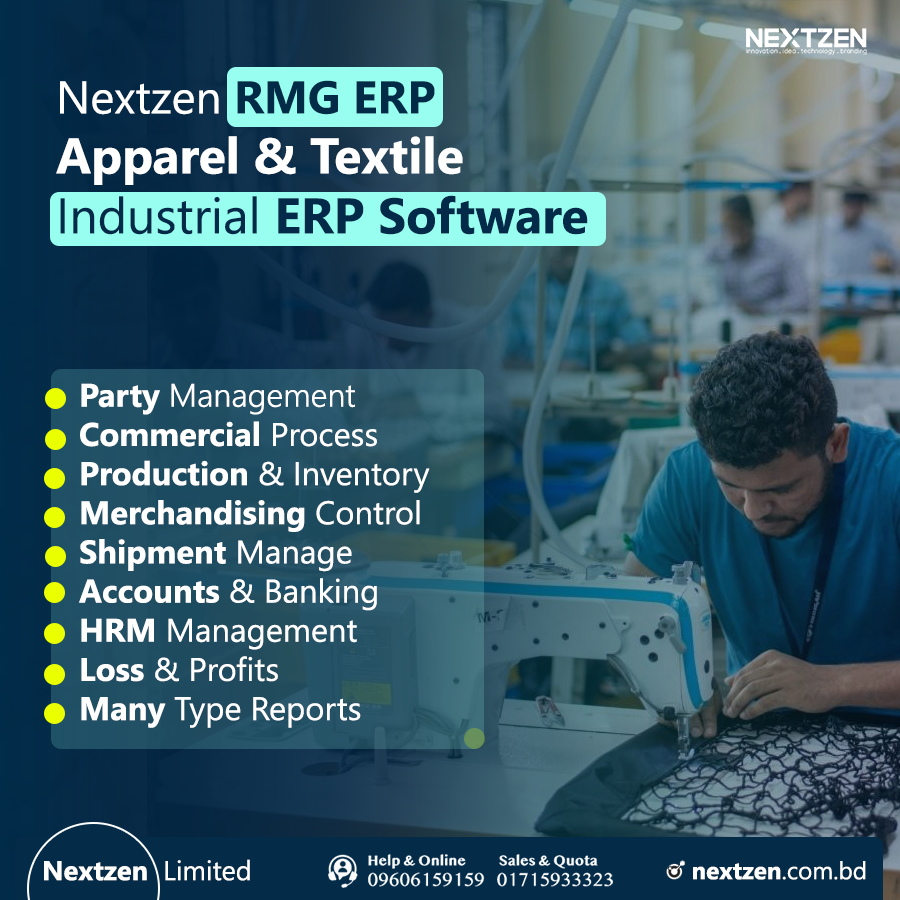
Introduction:
In the dynamic and fast-paced world of the apparel and textile industry, efficient management is the key to success. To stay ahead of the competition, businesses need robust solutions that streamline operations, enhance productivity, and provide real-time insights. Enter Garments ERP Software – a game-changer that promises to revolutionize how apparel and textile companies manage their operations.
Chapter 1: Understanding the Apparel and Textile Landscape
Before delving into the intricacies of Garments ERP software, it's crucial to understand the unique challenges faced by the apparel and textile industry. This chapter explores the complexities, supply chain intricacies, and ever-evolving market trends that make efficient management a necessity.
Chapter 2: The Need for ERP in Apparel and Textile
As the industry grows, so do the challenges. In this chapter, we discuss why traditional management systems fall short and explore how an ERP solution specifically designed for the apparel and textile sector can address these challenges. From order processing to inventory management, Garments ERP Software offers a comprehensive solution.
Chapter 3: Key Features of Garments ERP Software
What sets Garments ERP Software apart? This chapter dives into the core features that make this solution tailor-made for the apparel and textile industry. From managing production cycles and handling diverse product lines to providing accurate demand forecasting, explore the functionalities that can transform the way your business operates.
Chapter 4: Streamlining Supply Chain Management
One of the critical aspects of the apparel and textile industry is the intricate supply chain. Learn how Garments ERP Software optimizes supply chain processes, from procurement and vendor management to logistics and distribution. Gain insights into how this software ensures timely deliveries and minimizes disruptions.
Chapter 5: Enhancing Collaboration and Communication
In an industry where collaboration is key, effective communication is paramount. Discover how Garments ERP Software. facilitates seamless communication across departments, suppliers, and stakeholders. From order tracking to real-time updates, explore how this software fosters transparency and enhances collaboration.
Chapter 6: Data-Driven Decision-Making
Harnessing the power of data is no longer an option but a necessity. Garments ERP Software. empowers businesses with actionable insights derived from real-time data. Learn how analytics and reporting tools enable informed decision-making, helping businesses adapt to market trends and stay competitive.
Chapter 7: Implementation and Integration
Embarking on the ERP journey requires a strategic approach. This chapter outlines best practices for implementing Garments ERP Software, including integration with existing systems. From employee training to data migration, gain insights into a smooth transition that minimizes disruptions to daily operations.
Conclusion: Embracing the Future of Apparel and Textile Management
As we conclude our exploration of Garments ERP Software, it's evident that this technology is the linchpin for the future of the apparel and textile industry. Embrace the efficiency, collaboration, and data-driven decision-making that Garments ERP Software offers to position your business at the forefront of this ever-evolving landscape. The future of apparel and textile management has arrived, and it's powered by Garments ERP Software.
Unveiling the Power of Garments ERP Software:
The ranks of all seven teams according to their league stage performance, including games played, wins, defeats, and total points, are displayed in the BPL 2026 points table. It represents each team's position in the Bangladesh Premier League season and establishes playoff qualifying.
Important Features:
2. Stock Control & Inventory:
3. Management of Orders and Sales:
4. Accounting and Finance:
5. Payroll and HR:
6. Analytics & Reporting:
Advantages:
📌 Summary
By combining all essential functions into a single system, streamlining workflow, cutting expenses, and facilitating well-informed strategic choices, Garments ERP software enables clothing companies. For manufacturers seeking growth, accuracy, and efficiency in a cutthroat market, it is crucial.
At Nextzen, we understand that implementing a Business ERP like BizoFin is a big step. Here are clear answers to common inquiries about our ERP modules, financial integration, pricing plans, and how we help scale your business operations.
TALENTS

PROJECTS

Nextzen provides a wide range of services, Software, Web & App Development, Business Automation, Marketing, Branding & Data services.

Nextzen brings over 17 years+ of experience and a client-focused approach to deliver tailored, high-quality software solutions.

Nextzen has offices in the Bangladesh, UAE, UK and Cyprus, enabling them to serve both local and international clients.

Nextzen specializes in sectors like textiles, apparel, education, retail, and healthcare, offering tailored solutions for each industry.

Yes, Nextzen offers free initial consultations to understand your requirements and propose the best solutions.

Nextzen implements strong cybersecurity measures to protect client data and ensure platform security.

Nextzen stands out for its comprehensive services, deep industry knowledge, global reach, and client-focused approach.

You can get global support from Nextzen by contacting [email protected].
Ever Find Yourself Staring At Your Computer Screen A Good Consulting Slogan To Come To Mind? Oftentimes.

Looking for the best Online Travel Agency development company? Discover how to choose the right OTA partner for flight, hotel, API, payment, and booking solutions.

The education sector is rapidly adopting digital technologies to improve academic management, communication, and online learning. As part of this digital transformation, EduFin EMS has integrated Zoom functionality into its Education Management System, helping educational institutions manage online classes and meetings more efficiently.

A fast, user-friendly, and SEO-optimized e-commerce website can significantly improve customer experience, search engine rankings, and conversion rates. Whether you're running a small online store or a large e-commerce platform, optimization is essential for long-term success.
With nearly two decades of proven expertise, we deliver reliable, innovative, and scalable technology solutions tailored to business needs.
We believe that trust is paramount in a relationship. We do not own or sell your data, and we most certainly do not bank on advertising-based business models. The only way we make money is from the software license fees you pay us.