Best Online Travel Agency Development Company
Looking for the best Online Travel Agency development company? Discover how to choose the right OTA partner for flight, hotel, API, payment, and booking solutions.
 Back to Home
123/A, Miranda City Likaoli
Prikano, Dope
+0989 7876 9865 9
+(090) 8765 86543 85





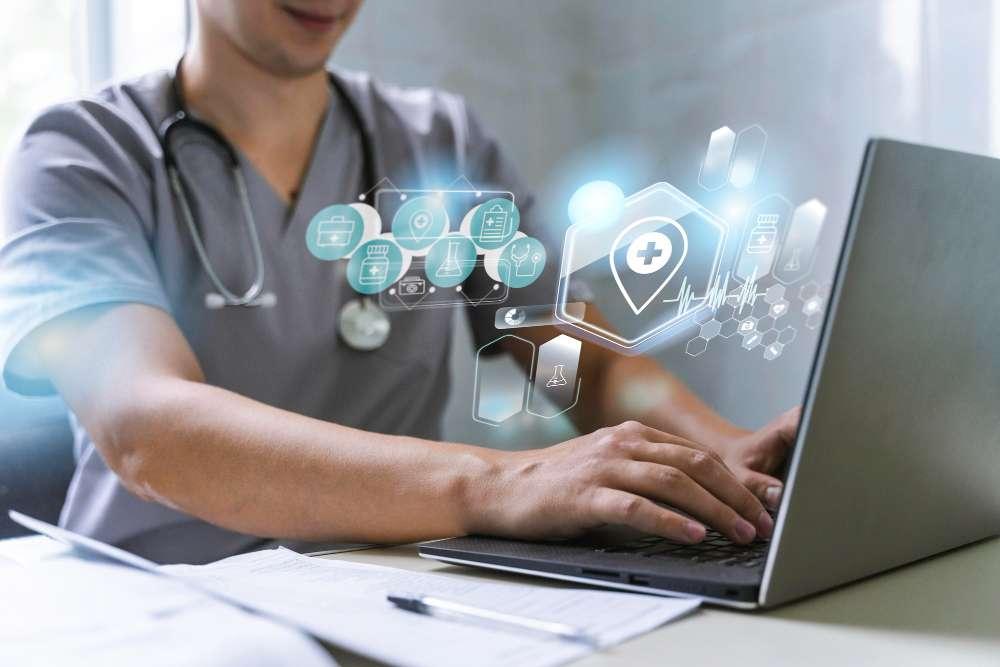
Hospitals are seeing positive change as a result of the use of Integrated Enterprise Resource Planning (ERP) systems in the constantly changing healthcare market. This blog article explores the many benefits that integrated ERP offers the healthcare industry, highlighting how important it is to improving patient care, streamlining processes, and fostering general efficiency.
AI Overview
Learn more
Benefits of ERP in the Healthcare Industry: Comprehensive Guide
Integrated Enterprise Resource Planning (ERP) systems offer hospitals numerous benefits, including improved patient care, streamlined operations, reduced costs, enhanced compliance, and better data management, all contributing to a more efficient and effective healthcare environment.
Improved Workflow:
ERP systems streamline workflows across departments, leading to better coordination and faster turnaround times, ultimately benefiting patient care.
Better Inventory Management:
Accurate tracking of medical supplies and equipment ensures that resources are available when needed, reducing delays and improving patient outcomes.
Reduced Errors:
Automated processes and data integration minimize documentation errors and improve accuracy in patient records and billing.
Real-time Data Access:
Healthcare professionals can access patient information quickly and efficiently, enabling better decision-making and personalized care.
Streamlined Processes:
ERP systems automate tasks and integrate various functions, reducing manual effort and improving overall efficiency.
Reduced Costs:
By optimizing workflows, managing inventory effectively, and minimizing errors, ERP systems can significantly reduce operational costs.
Improved Resource Allocation:
Data analytics and reporting capabilities within ERP systems help hospitals identify areas for improvement and allocate resources more effectively.
Better Supply Chain Management:
Integrated inventory control, purchasing, and distribution systems ensure that medical equipment and supplies are available when needed, minimizing waste and overstocking.
Industry Compliance:
ERP systems help healthcare organizations meet industry regulations and standards by automating compliance processes and providing comprehensive audit trails.
Data Security:
Centralized data storage and access controls enhance data security and protect sensitive patient information.
HIPAA Compliance:
ERP systems can help hospitals comply with HIPAA regulations by ensuring secure storage and access to patient data.
Accurate Billing and Invoicing:
ERP systems automate billing and invoicing processes, reducing errors and improving revenue collection.
Improved Financial Reporting:
Comprehensive financial reporting capabilities provide insights into hospital finances, enabling better decision-making.
Streamlined Payment Processing:
ERP systems can facilitate the efficient processing of patient payments and insurance claims.
Data Analytics and Reporting:
ERP systems provide advanced analytics and reporting capabilities, allowing hospitals to analyze key performance indicators (KPIs), track trends, and make data-driven decisions.
Strategic Planning:
Data insights from ERP systems can inform strategic planning and decision-making, helping hospitals improve their performance and achieve their goals.
Various hospital departments are brought together via integrated ERP systems, which guarantee a smooth information flow. This connection facilitates real-time data exchange, cutting down on delays and improving communication between different parts of the healthcare ecosystem, from patient records to inventory management.
An all-inclusive platform for handling patient data is offered by integrated ERP systems. Healthcare workers have access to a single view of patient data from admission to discharge, guaranteeing individualized treatment plans, precise diagnoses, and easy communication between various medical teams.
With integrated ERP, hospital resources—including personnel, tools, and supplies—are handled as efficiently as possible. The solution helps administrators make data-driven choices by giving them insights into resource availability and use. This effectiveness guarantees that resources are distributed where they are most needed while simultaneously minimizing waste.
An essential component of hospital administration is financial management. Accounting, invoicing, and billing procedures are automated by integrated ERP systems, which lowers mistake risk and guarantees adherence to financial laws. The hospital's overall financial health is improved by this simplification of its financial procedures.
There are strict regulatory requirements for the healthcare industry. Hospitals can comply with these laws with the aid of integrated ERP systems. Hospitals may manage regulatory problems with confidence by automating compliance operations and guaranteeing correct documentation, therefore lowering the chance of penalties or legal complications.
Hospitals may get real-time analytics and reporting through integrated ERP solutions. Administrators are able to quickly make well-informed choices by having access to operational analytics, patient outcomes, and key performance indicators. Strategic planning is supported and hospital administration is improved by this proactive approach.
Hospitals work with a wide range of medical equipment and supplies. Inventory management is made easier by integrated ERP systems, which offer real-time visibility into stock levels, expiry dates, and consumption trends. This lowers the possibility of shortages or excess inventory by ensuring that hospitals maintain adequate stock levels.
Hospitals' changing demands are taken into account in the design of integrated ERP systems. Technology will always be in perfect sync with the hospital's growth trajectory thanks to the system's flexibility and support, which is maintained whether new services are added, facilities are expanded, or healthcare practices change.
Hospitals may gain significantly more from integrated ERP than just increased operational effectiveness. Integrated ERP systems are essential tools for the contemporary healthcare environment, helping to improve patient care and resource allocation as well as guarantee compliance and scalability. Adopting integrated ERP becomes strategically necessary as hospitals continue to change in order to promote excellence in patient outcomes and overall healthcare management.
Enterprise Resource Planning (ERP) is a complete system that combines, simplifies, and elevates activities in the complex field of modern corporate administration. In order to demystify ERP, this blog article will examine its essential components as well as the wide range of advantages it offers to companies of all sizes.
A centralized software system called enterprise resource planning (ERP) unifies disparate business operations and services inside a company into a single platform. This all-encompassing strategy promotes efficiency and well-informed decision-making by facilitating smooth departmental cooperation, data exchange, and communication.
ERP systems include a centralized database that unifies information from several departments, giving the whole company access to a single source of truth. This guarantees correctness and uniformity of data everywhere.
ERP often comprises of linked modules that address many fundamental company operations, including inventory management, supply chain management, finance, human resources, and customer relationship management (CRM). Together, these lessons offer a comprehensive understanding of organizational processes.
ERP systems are known for their sophisticated analytics features. Key performance indicators (KPIs), customisable reports, and real-time data insights are available to businesses, facilitating proactive decision-making based on precise and current data.
By automating repetitive and time-consuming operations, ERP lowers the need for manual labor and the possibility of mistake. The organization's operations are streamlined by this automation, which increases operational efficiency.
ERP programs are made to expand alongside companies. ERP offers a scalable and future-proof solution by accommodating growing data volumes, more users, and changing business requirements as enterprises grow.
ERP solutions are adaptable to diverse sectors' and organizations' unique requirements. Businesses may customize the system to match their own processes thanks to its versatility, which guarantees a smooth integration with their operating environment.
ERP reduces duplication in company procedures and boosts overall productivity. Workflows move more quickly, lead times are shortened, and productivity rises as a result.
Decision-makers are enabled to gain insightful knowledge through real-time data access and analytics. Making well-informed decisions becomes a reality, which supports strategic planning and gives businesses a competitive advantage.
ERP encourages cooperation and communication between various departments by dismantling departmental silos within a company. This connectivity encourages a cohesive strategy for accomplishing corporate objectives.
ERP systems provide considerable cost savings over time through process optimization, less human mistakes, and effective resource allocation, making them a financially sensible investment.
ERP CRM components improve the management of client relationships. Businesses may boost customer happiness and loyalty by getting a deeper understanding of consumer requirements, personalizing interactions, and fostering enduring connections.
ERP helps companies comply with industry laws by automating compliance procedures. Furthermore, integrated risk management tools recognize and reduce any threats, guaranteeing a safe and legal operating environment.
ERP becomes a vital component for companies looking to achieve not only survival but also long-term success in the age of digital transformation. ERP is positioned as a vital tool for managing the complexity of the contemporary company environment by virtue of its capabilities, which range from a centralized database to real-time analytics, as well as a host of advantages including enhanced decision-making, operational efficiency, and scalability. Adopting ERP becomes a strategic need for realizing company potential as firms set out on their path towards integrated and optimized operations.
Enterprise Resource Planning (ERP) systems have become revolutionary tools in the fast-paced world of healthcare, where accuracy and productivity are critical. This blog post explores the many benefits of ERP implementation in the healthcare industry, showing how these systems improve patient care, streamline operations, and boost the general effectiveness of healthcare facilities.
Healthcare ERP offers a single, centralized location for patient data, including histories, treatment plans, and medical records. This all-encompassing perspective helps medical practitioners make knowledgeable decisions that result in more effective and individualized patient care.
ERP systems expedite the process of making appointments, cutting down on wait times and improving patient satisfaction. Healthcare facilities' workflow is optimized and delays are reduced thanks to automated scheduling, which guarantees the best possible resource allocation.
ERP easily incorporates a range of healthcare operations, including billing, inventory control, and more. By removing data silos, this integration creates a unified workplace where many departments collaborate to increase operational effectiveness.
Financial operations including accounting, invoicing, and billing are automated via ERP. This enhances the financial stability of healthcare organizations by guaranteeing regulatory compliance and lowering the possibility of mistakes.
Hospitals deal with a variety of resources, such as staff, machinery, and pharmaceuticals. ERP systems enable efficient resource allocation and avoid shortages or overstock situations by offering real-time information into resource availability and utilization.
ERP improves inventory control by offering precise and current data on medical goods. This keeps waste to a minimum, avoids stockouts, and guarantees that medical institutions have the resources they need to satisfy patient demands.
There are stringent regulations governing the healthcare industry. ERP lowers the risk of regulatory non-compliance by automating compliance operations that assist firms in adhering to industry standards and norms.
Sensitive patient information needs to be protected. Healthcare ERP systems include strong security features to safeguard patient data, guaranteeing privacy and adherence to data protection regulations.
ERP systems give healthcare managers and professionals access to real-time analytics and reporting capabilities, enabling them to make informed decisions based on data. Proactive decision-making is facilitated by this, which improves hospital administration and strategic planning.
Better patient outcomes are the result of streamlining procedures, managing resources effectively, and making data-driven decisions. ERP makes a valuable contribution to the healthcare ecosystem by ensuring that patient treatment is continually improved and accurate.
ERP system adoption is more than simply a technical advancement in the fast-paced and vital healthcare industry—it is a strategic need. The benefits of Enterprise Resource Planning (ERP) in healthcare are numerous and significant, ranging from better resource allocation and compliance assurance to expedited patient treatment and increased operational efficiency. Adopting ERP technology becomes essential to attaining operational excellence and providing outstanding patient care in the digital age as healthcare facilities continue to change.
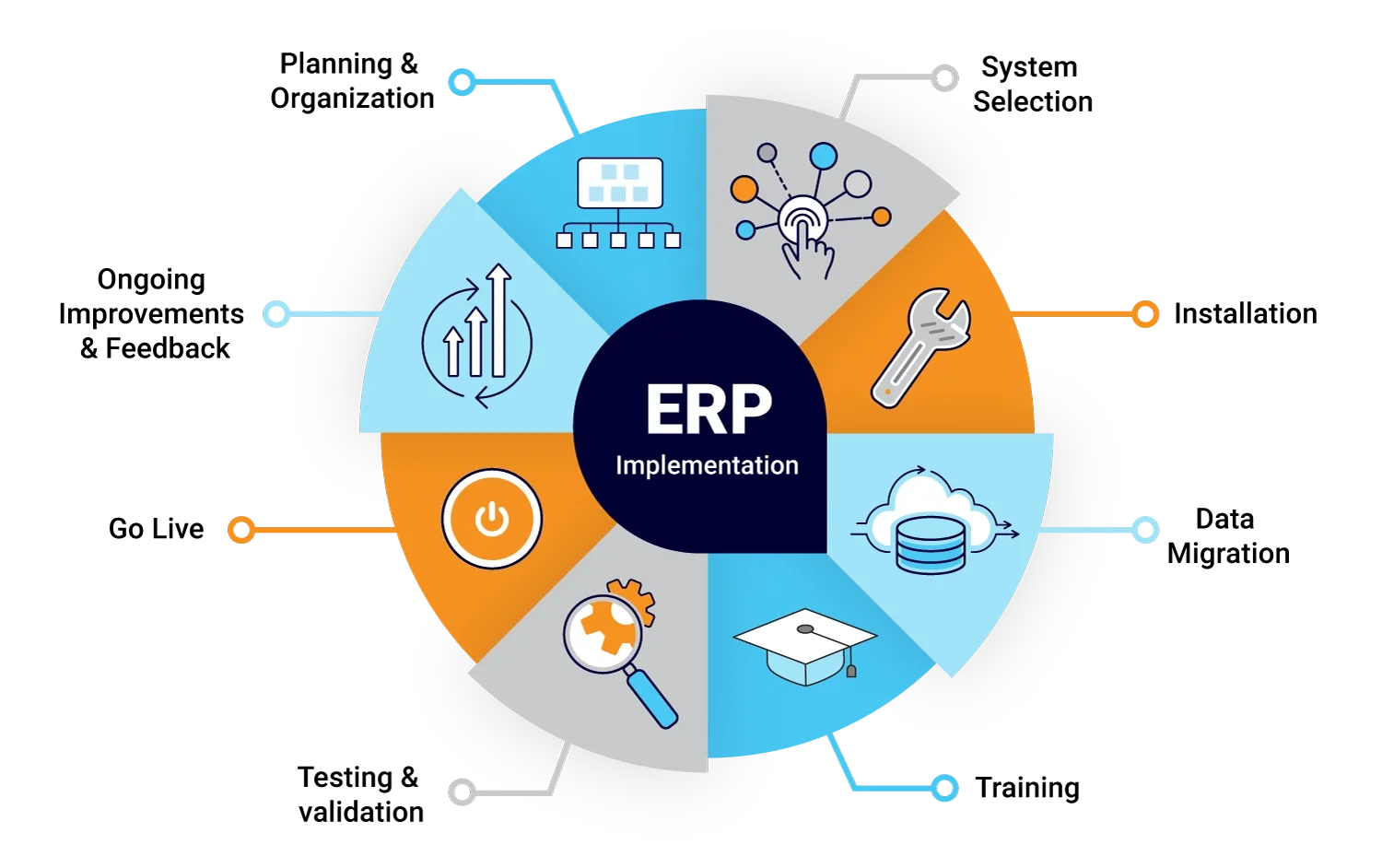
At Nextzen, we understand that implementing a Business ERP like BizoFin is a big step. Here are clear answers to common inquiries about our ERP modules, financial integration, pricing plans, and how we help scale your business operations.
TALENTS

PROJECTS

Nextzen provides a wide range of services, Software, Web & App Development, Business Automation, Marketing, Branding & Data services.

Nextzen brings over 17 years+ of experience and a client-focused approach to deliver tailored, high-quality software solutions.

Nextzen has offices in the Bangladesh, UAE, UK and Cyprus, enabling them to serve both local and international clients.

Nextzen specializes in sectors like textiles, apparel, education, retail, and healthcare, offering tailored solutions for each industry.

Yes, Nextzen offers free initial consultations to understand your requirements and propose the best solutions.

Nextzen implements strong cybersecurity measures to protect client data and ensure platform security.

Nextzen stands out for its comprehensive services, deep industry knowledge, global reach, and client-focused approach.

You can get global support from Nextzen by contacting [email protected].
Ever Find Yourself Staring At Your Computer Screen A Good Consulting Slogan To Come To Mind? Oftentimes.

Looking for the best Online Travel Agency development company? Discover how to choose the right OTA partner for flight, hotel, API, payment, and booking solutions.
The education sector is rapidly adopting digital technologies to improve academic management, communication, and online learning. As part of this digital transformation, EduFin EMS has integrated Zoom functionality into its Education Management System, helping educational institutions manage online classes and meetings more efficiently.
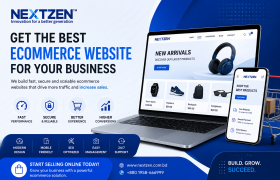
A fast, user-friendly, and SEO-optimized e-commerce website can significantly improve customer experience, search engine rankings, and conversion rates. Whether you're running a small online store or a large e-commerce platform, optimization is essential for long-term success.
With nearly two decades of proven expertise, we deliver reliable, innovative, and scalable technology solutions tailored to business needs.
We believe that trust is paramount in a relationship. We do not own or sell your data, and we most certainly do not bank on advertising-based business models. The only way we make money is from the software license fees you pay us.